Urban Water Explorer
Water challenges look different in every city.
From drought-prone regions to highly engineered water systems, cities across the world face growing pressure from climate change, urbanisation, and increasing water demand.1,2 Yet water stress is not only caused by physical shortages. It also emerges through the interaction between climate conditions, infrastructure, governance, and consumption patterns.3,4
This platform explores how cities experience and manage water stress through governance, infrastructure, technology, and everyday adaptation. Using climate indicators and city-specific case studies, you can compare how different social-ecological systems respond to water challenges.5,6
Begin by exploring the map below, or scroll to discover how six cities, Amsterdam, Amman, Athens, Barcelona, Cape Town and Singapore, experience water stress differently and what broader lessons can be learned from their responses.
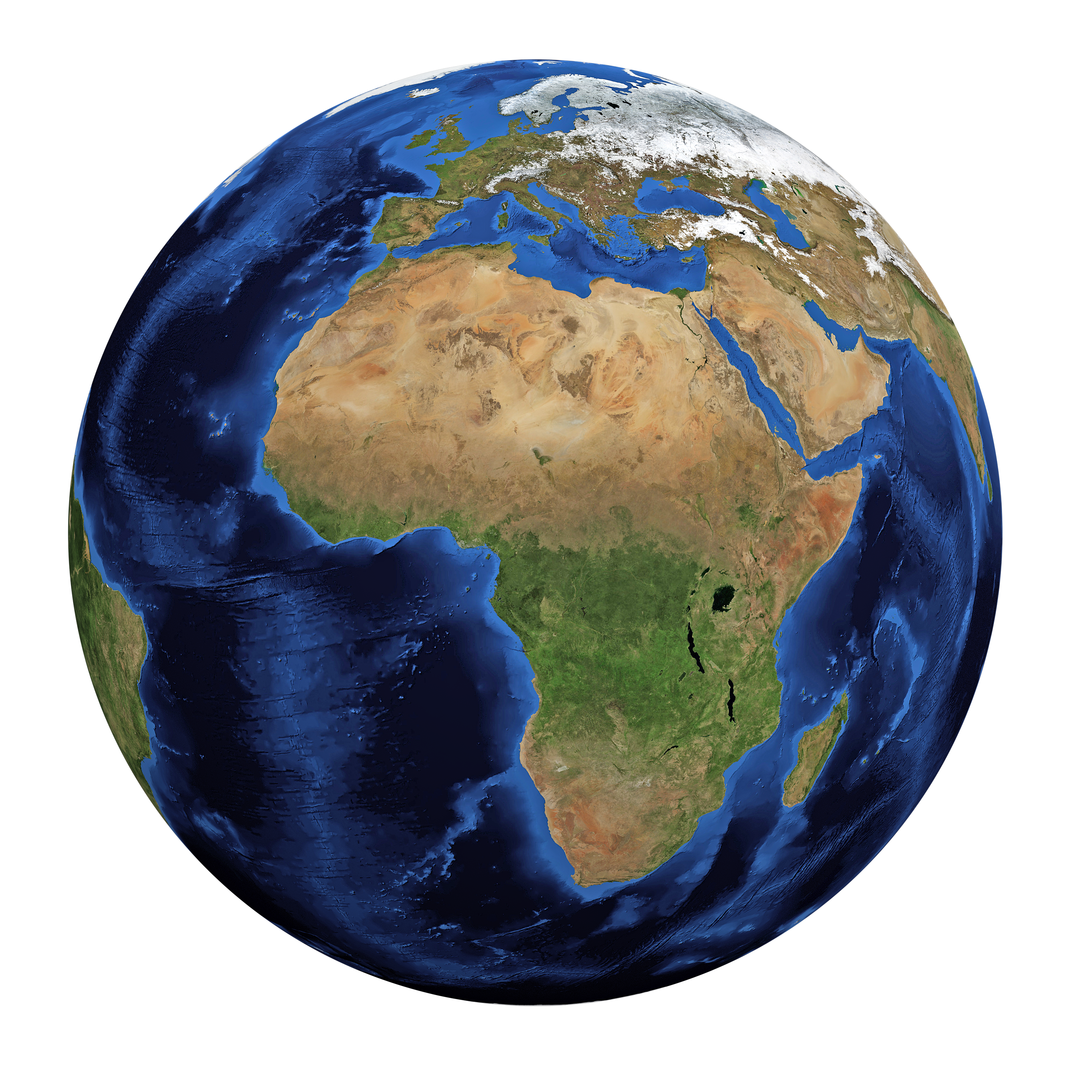
Interactive map
Freshwater withdrawal as a proportion of available freshwater resources in %.
Explore case cities further.
Key takeaways
While some cities face chronic scarcity, others are increasingly challenged by climate change, rising demand, ageing infrastructure, or changing rainfall patterns. Even within individual cities, people are being affected in different ways depending on income, race, or gender.
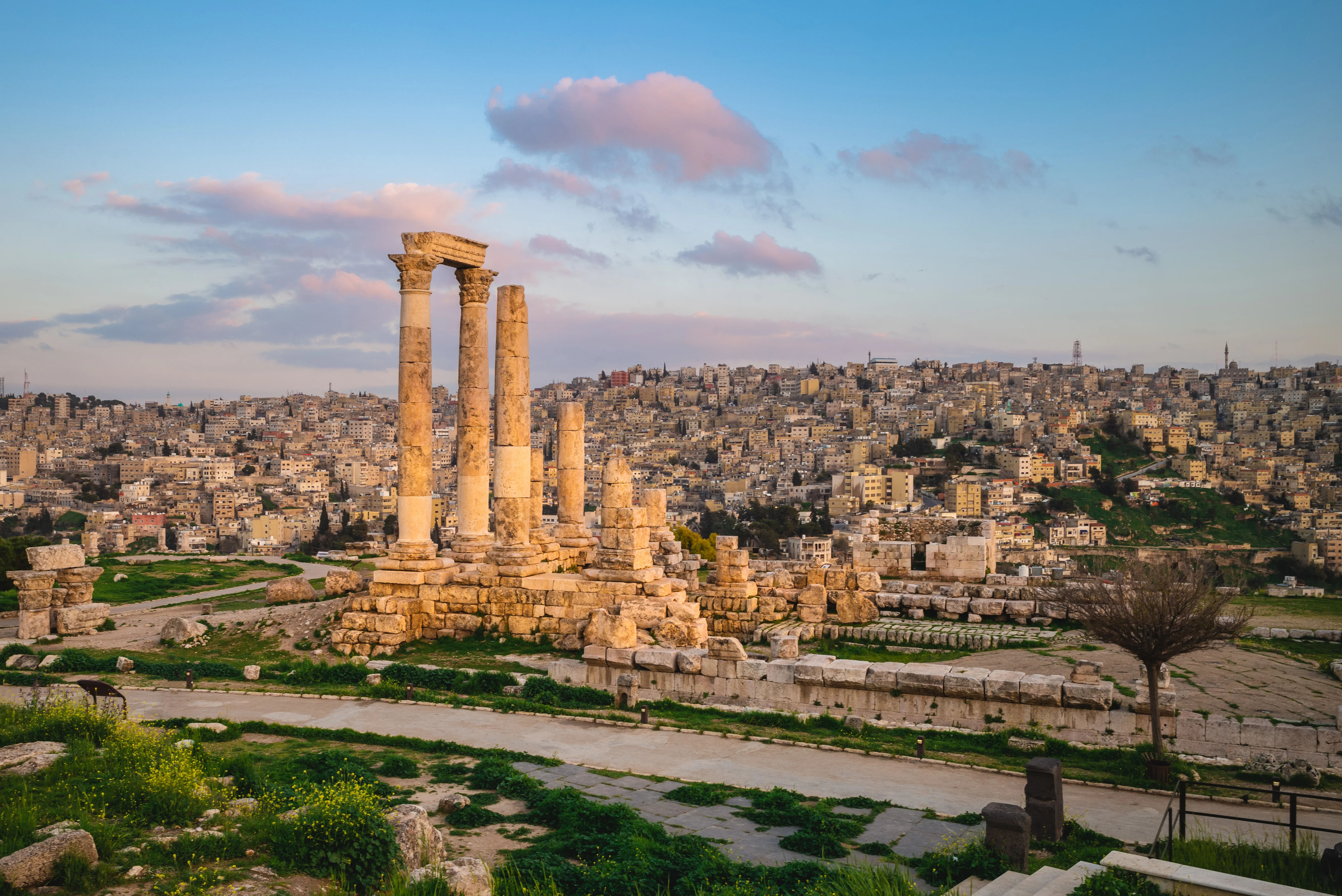
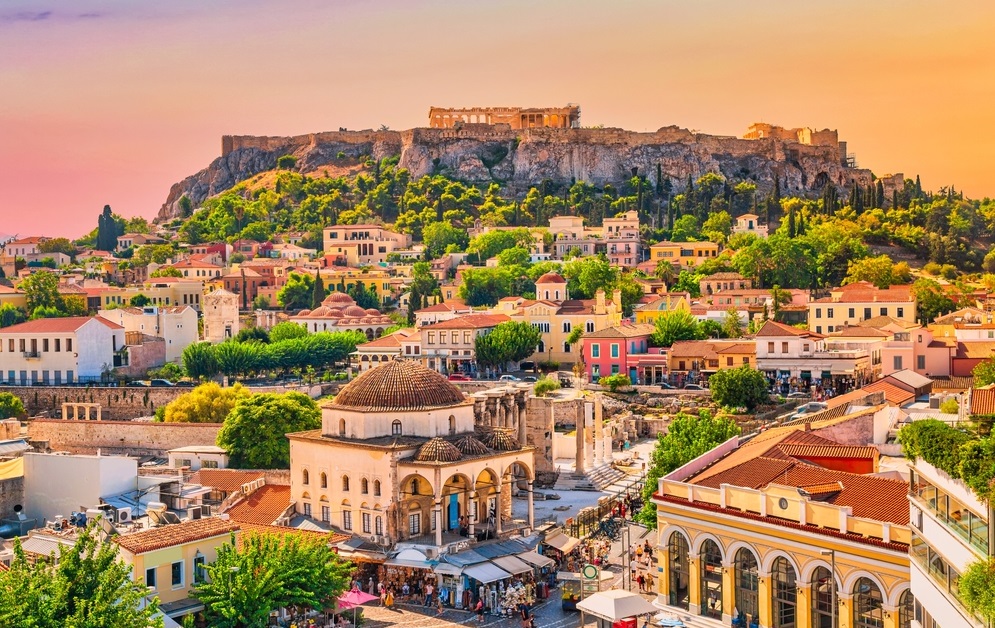
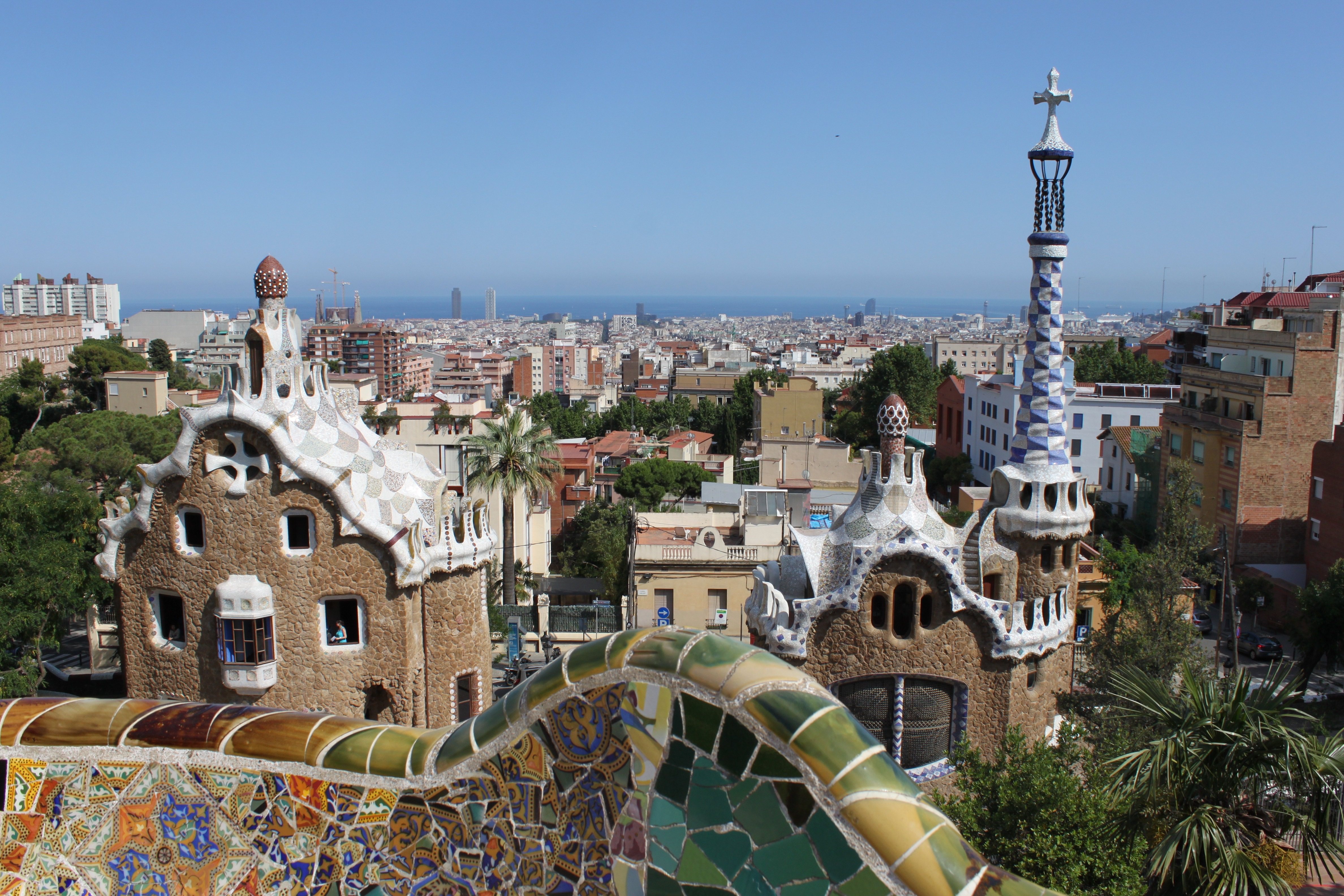
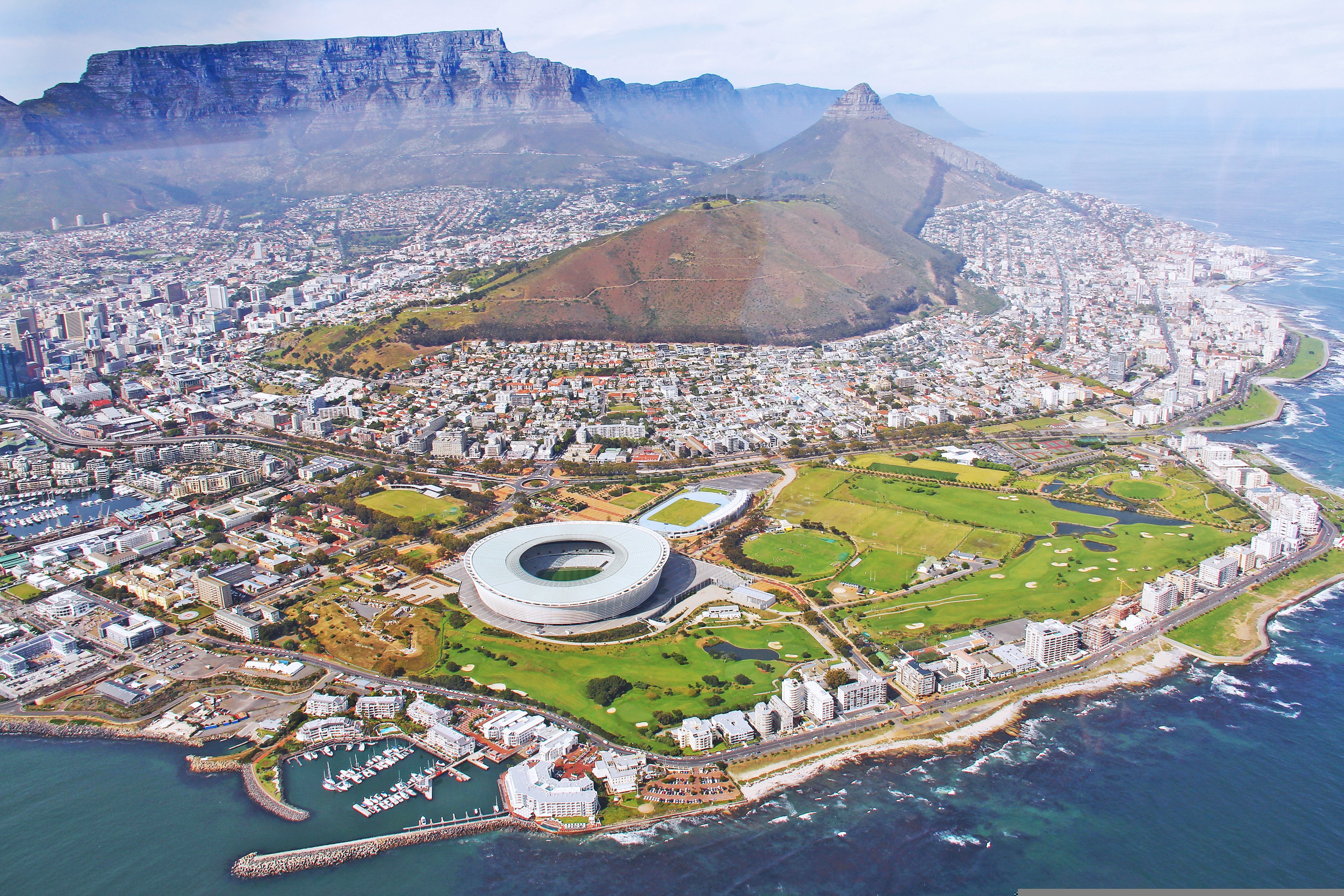
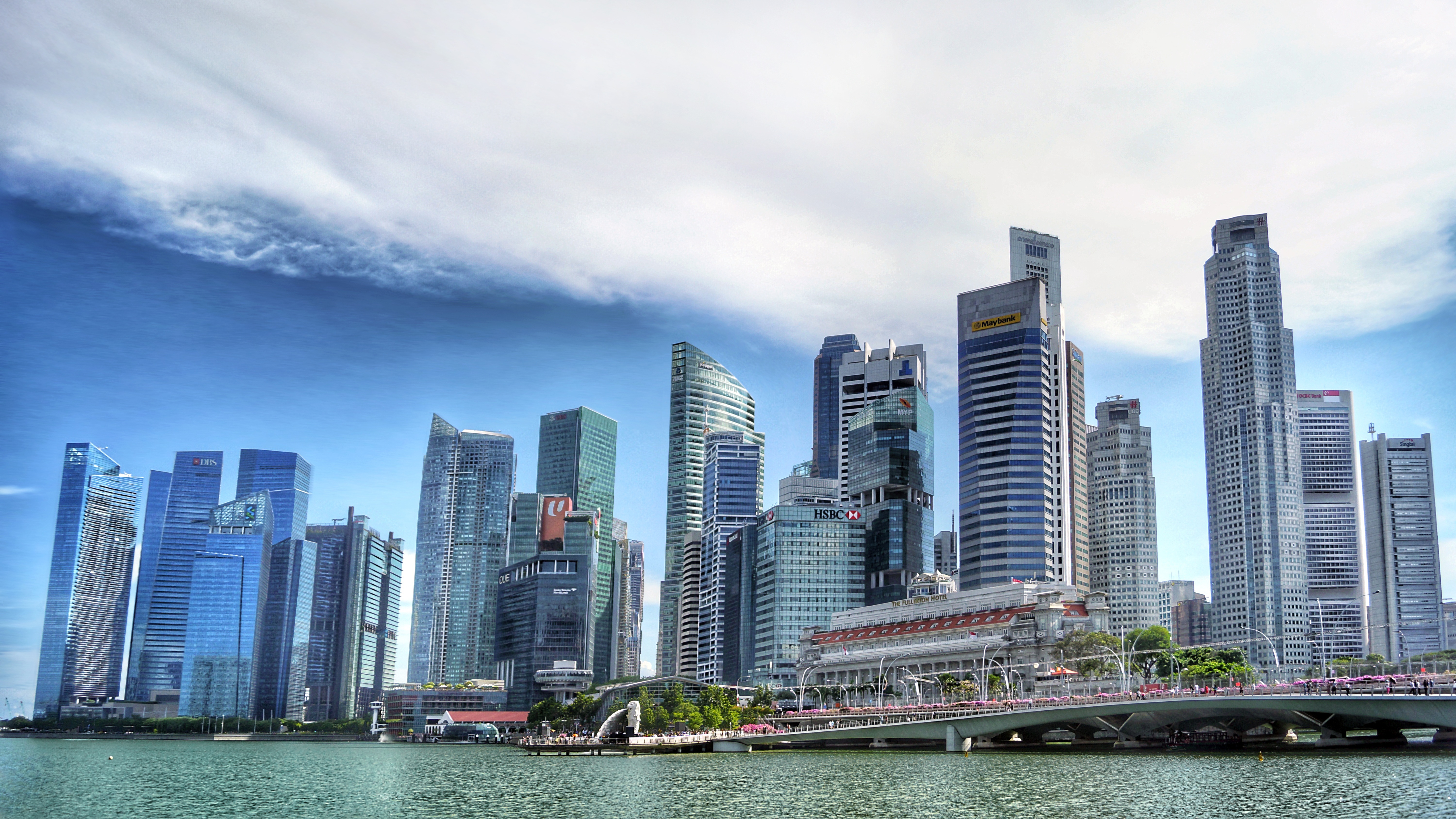
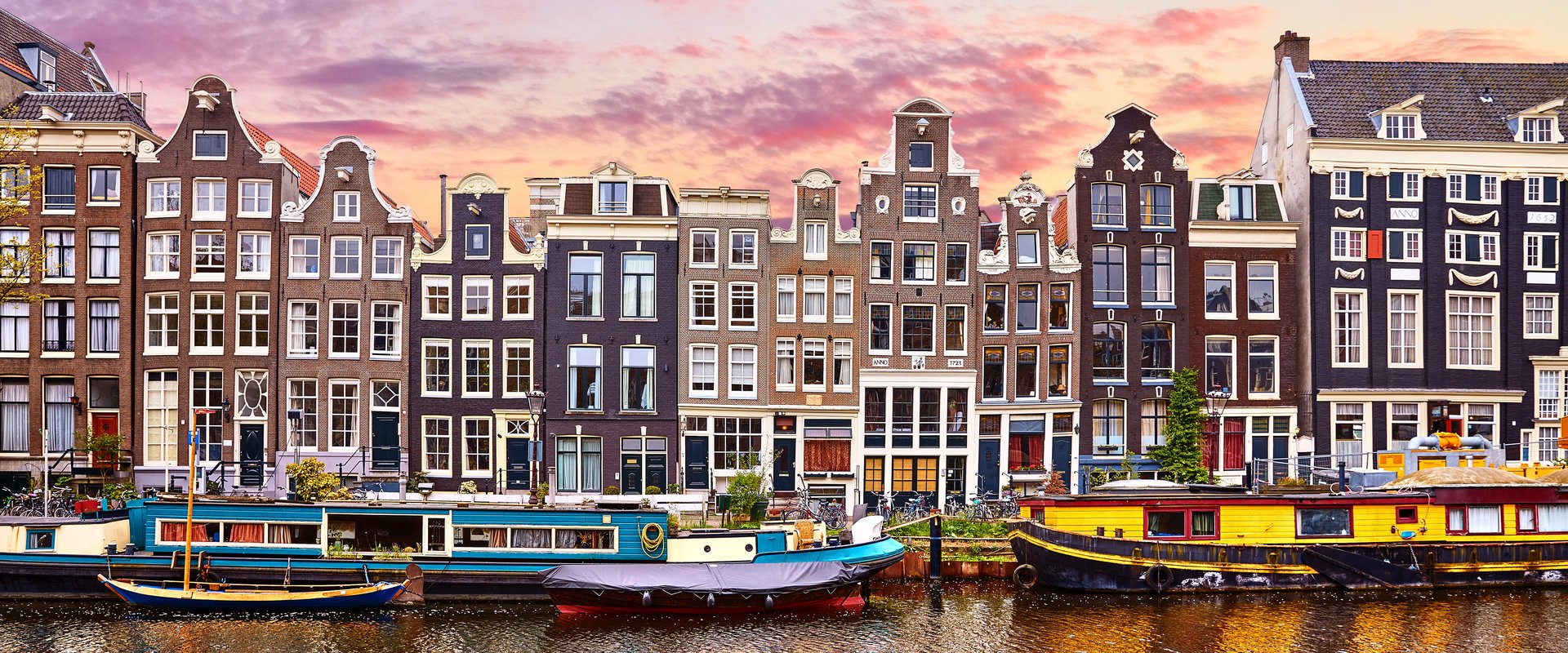
The six cities explored throughout this project highlight that no single solution works everywhere. Amman illustrates adaptation under severe structural scarcity, Cape Town demonstrates recovery after an acute drought crisis, Athens and Barcelona show the vulnerability of reservoir and regionally dependent systems, while Singapore and Amsterdam show how long-term planning can strengthen resilience before shortages become critical.15-20
Water stress is often recognised only when taps run dry, restrictions begin, or infrastructure visibly fails. By that point, cities are already reacting from a position of pressure. The real challenge is to act earlier: to treat water as a shared urban concern, to invest before crisis, and to build systems that are not only efficient, but fair. If cities are serious about resilience, water can no longer remain a background issue. It has to become part of how urban futures are imagined and governed.